

In today's digital landscape, securing our online activities has become more vital than ever. With an increasing number of devices connecting to the internet, from smartphones and tablets to laptops, the risk of personal information being exposed rises significantly. As we navigate through various online services, whether shopping, banking, or simply browsing for information, the potential threats to our privacy and data loom large. This is where a virtual private network, or VPN, plays a crucial role in safeguarding our everyday devices and ensuring our internet activities remain private and secure.
A VPN serves as a protective barrier between our devices and the unpredictable world of the internet. By encrypting our internet traffic and masking our IP addresses, it helps shield us from hackers, snoopers, and intrusive advertisements. The importance of integrating this technology into our daily routines cannot be overstated, particularly as we rely more on connectivity for both work and leisure. In this article, we will explore how a virtual private network enhances privacy and security across everyday devices, the benefits of using a VPN, and what to consider when choosing the right service for your needs. Understanding these aspects can empower you to take charge of your online safety as you navigate the vast digital environment.
Understanding VPNs
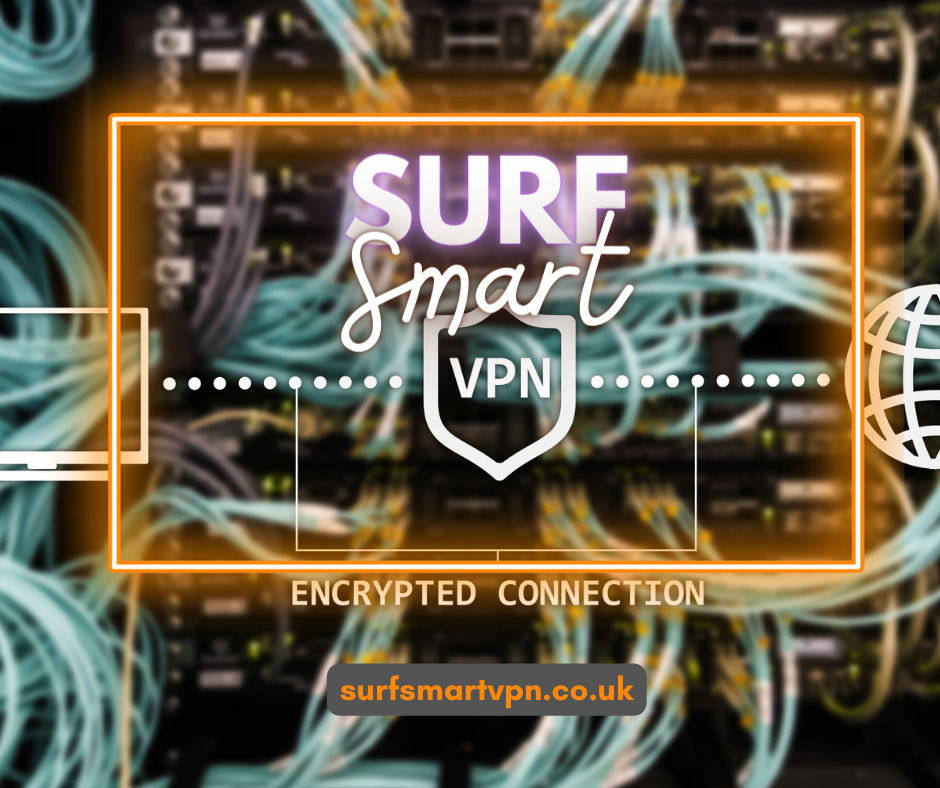
A Virtual Private Network, commonly known as a VPN, serves as a secure tunnel between your everyday devices and the internet. It encrypts your internet traffic, shielding your online activities from prying eyes including hackers, ISPs, and even governmental surveillance. By masking your IP address, a VPN allows you to browse the web anonymously, ensuring that your personal information remains private and secure.
One of the key benefits of using a VPN on everyday devices like phones, tablets, and laptops is the added layer of security it provides on public Wi-Fi networks. When you connect to a hotel or café Wi-Fi, for instance, you expose your device to various cyber threats. A VPN mitigates this risk by encrypting your connection, making it significantly harder for cybercriminals to intercept your data. This capability is essential for users who often rely on these less secure networks for accessing sensitive information.
Furthermore, VPNs can enhance your overall browsing experience. Many services are geo-restricted, meaning that certain content may not be accessible based on your location. A VPN can help you bypass these restrictions by allowing you to connect to servers in different regions, providing access to a wider range of content while maintaining the security of your everyday devices. This makes VPNs not just a tool for privacy, but also a means to enjoy a more open internet.
How VPNs Protect Your Data
A Virtual Private Network, or VPN, acts as a secure tunnel for your internet traffic, encrypting your data and ensuring that it is unreadable to anyone who might intercept it. When you connect to a VPN, your device communicates through a remote server, which masks your IP address and hides your online activities from potential snoopers. This encryption means that even if someone manages to capture your data, they will only see a jumble of unreadable information, protecting your personal information from malicious actors such as hackers or identity thieves.
Additionally, VPNs offer a layer of security on public Wi-Fi networks, which are often unsafe. When you access the internet through an open or unprotected network, your data is vulnerable to various attacks. A VPN shields your devices, making it extremely difficult for attackers to access sensitive information like passwords, financial details, or personal messages. This is particularly essential when using everyday devices like smartphones and tablets, where we often access our email, bank accounts, and social media.
Moreover, a VPN can help prevent various forms of tracking, ensuring that your online activities remain private. Websites and advertisers frequently monitor users to gather data for targeted advertising. By using a VPN, you can minimize the amount of information that is collected about you. This is key to maintaining your privacy and reducing your digital footprint while engaging in your everyday online activities, whether you are browsing on your laptop or using your tablet.
Benefits of Using a VPN
Using a virtual private network offers significant advantages for everyday internet users. One of the most prominent benefits is enhanced security. When you connect to the internet through a VPN, your data is encrypted, which helps protect sensitive information such as passwords and personal details from cybercriminals. This encryption is especially vital when using public Wi-Fi networks, where the risk of data interception is higher. By utilizing a VPN, you can browse more confidently knowing that your personal information is shielded.
Another key benefit of a VPN is improved privacy. Many websites track user activity and gather data for advertising purposes. A VPN masks your IP address, making it more difficult for these entities to track your online behavior. This added layer of anonymity allows you to browse the internet without the fear of being monitored. For those who prioritize their privacy, a VPN is an essential tool in maintaining control over their personal data and online presence.
Finally, VPNs provide access to geo-restricted content. Many streaming services and websites limit access based on your geographical location. By connecting to a VPN server in a different country, you can bypass these restrictions and enjoy a wider array of content from various regions. This is particularly beneficial for travelers or those looking to explore international media without limitations. Overall, the use of a VPN enhances security, privacy, and accessibility for everyday devices.
Common Applications of VPNs
Many individuals utilize VPNs to enhance their privacy while browsing the internet. Whether using a smartphone, tablet, or laptop, a virtual private network masks the user's IP address, making it difficult for websites and advertisers to track online activities. This is especially relevant in today's digital age, where personal data has become a valuable commodity. By providing an added layer of anonymity, VPNs ensure that users can explore the internet more freely.
Another common application of VPNs is for secure remote access to work networks. As more businesses adopt flexible working arrangements, employees often need to connect to their company's network from various locations. A VPN creates a secure tunnel for this connection, protecting sensitive information from potential cyber threats. This application is crucial for maintaining the integrity of corporate data while allowing employees the convenience of remote work.
Additionally, many people use VPNs to access geo-restricted content. Streaming services often limit access to certain shows or movies based on geographical locations. By connecting to a server in a different region, users can bypass these restrictions and enjoy content that would otherwise be unavailable in their country. This versatility not only enhances entertainment options but also underscores the importance of VPNs in providing a more open and accessible internet.
Choosing the Right VPN
Selecting the right virtual private network (VPN) is essential for ensuring your everyday devices are secure and your online activities remain private. Factors such as speed, security features, and compatibility with multiple devices can significantly impact your browsing experience. Look for a VPN that offers strong encryption protocols to protect your data, as well as a no-logs policy to ensure your online activities are not tracked.
Another important aspect is the variety of servers offered by the VPN provider. A wide range of servers located in different countries can not only enhance your connection speed but also allow you to access geo-restricted content. Additionally, consider the user-friendly nature of the VPN application. A straightforward interface can make it easier to set up the VPN on your phones, tablets, and laptops, providing you with seamless protection across all your everyday devices.
Lastly, pricing and customer support should weigh heavily in your decision. While there are affordable options available, be cautious of free VPN services that might compromise your security. Choose a reputable VPN with reasonable pricing tiers and responsive customer support to assist you in case of any issues. Investing in a reliable virtual private network can significantly enhance your online security and privacy, allowing you to navigate the Internet with confidence.
VPNs for Everyday Devices
Using a virtual private network is essential for securing everyday devices such as smartphones, tablets, and laptops. These devices often connect to various networks, including public Wi-Fi, which can expose sensitive information to potential threats. A VPN encrypts your internet traffic, making it significantly harder for hackers or unauthorized entities to intercept your data while you're online. This encryption is especially important for users who frequently access sensitive information or conduct transactions on their devices.
The benefits of VPN protection extend beyond just encryption. With a virtual private network, you can maintain your privacy by masking your IP address, allowing you to browse the internet without leaving a trail of personal information. This is crucial for everyday users who wish to avoid targeted advertisements and tracking by third parties. Furthermore, by routing your connection through secure servers, a VPN helps prevent your Internet Service Provider from monitoring your online activities, enhancing your overall digital privacy.

Selecting a reliable VPN provider is crucial to maximizing the security of your everyday devices. Factors such as connection speed, server locations, and logging policies should be considered when choosing a VPN service. Many VPNs offer affordable plans and user-friendly applications that make it easy to secure multiple devices with a single account. By investing in a quality virtual private network, you can ensure peace of mind while browsing the internet on all your everyday devices.
Potential Limitations of VPNs
While VPNs provide enhanced privacy and security, they are not a one-size-fits-all solution. One of the main limitations is that users may experience a decrease in internet speed. This occurs because a VPN encrypts your data and routes it through a remote server, which can introduce latency and reduce bandwidth. For those who rely on high-speed connections for streaming or gaming, this could be a significant drawback.
Another consideration is the level of trust users must place in their VPN provider. Not all VPN services are created equal, and some may log user data or fail to adequately protect it. Choosing a reputable provider is essential, but it can be challenging to discern which companies can be trusted. Users should carefully review privacy policies and seek out independent reviews to ensure their chosen VPN aligns with their security needs.
Finally, VPNs do not offer complete anonymity. While they can mask your IP address, users may still be vulnerable to web tracking methods such as cookies and fingerprinting. Additionally, some websites and services may block VPN traffic, limiting their effectiveness. Thus, while a VPN is a vital tool for improving security on everyday devices, it should be combined with other practices for comprehensive protection.
The Impact on Internet Speed
When using a virtual private network, many users notice a difference in their internet speed. This can be attributed to the added layer of security that encrypts data traveling to and from devices. While the encryption process is essential for protecting your information, it often results in a slight reduction in speed due to the extra processing involved. However, this impact varies depending on factors such as the VPN provider, server locations, and overall bandwidth.
The choice of server can also significantly affect internet speed. Connecting to a server that is geographically closer to your location typically results in faster speeds. Some premium VPN services offer high-quality servers that are optimized for speed, minimizing any lag while maintaining strong security measures. Therefore, users can enjoy the benefit of enhanced security without a drastic compromise on performance.
Moreover, many modern VPNs come with features designed to improve speed while still offering robust security. These include technologies like split tunneling, which allows users to choose which applications use the VPN while others access the internet directly. This flexibility helps maintain optimal speeds for everyday tasks, making a virtual private network a viable choice for users who prioritize both security and efficiency in their internet activities.
Legal Considerations and VPNs
As the use of virtual private networks becomes more widespread, it's important to understand the legal landscape surrounding their use. VPNs can provide enhanced privacy and security, but legality can vary significantly by country. In some jurisdictions, using a VPN is completely legal and encouraged for protecting personal information, while in others, it may be restricted or monitored. Users must be aware of local laws regarding data privacy and internet usage to avoid potential legal issues.
Some countries impose strict regulations on the types of activities that can be performed while connected to a VPN. For instance, engaging in illegal activities such as downloading copyrighted content or conducting cybercrime under the guise of a VPN can lead to serious legal repercussions, regardless of the user's intent to maintain privacy. Thus, knowing what is permissible while using a VPN is essential for everyday users.
Additionally, users should review the terms of service of their chosen VPN provider. Different VPNs have varying policies regarding data logging and user privacy, which can also have legal implications. It is crucial to choose a VPN service that aligns with both your privacy needs and legal requirements, ensuring that you remain compliant while enjoying the benefits of secure internet access on your everyday devices.
Future of VPN Technology
As digital privacy concerns continue to grow, the future of virtual private network technology looks promising and pivotal in the realm of everyday devices. VPNs are expected to evolve with advanced encryption methods, making it even more challenging for hackers and snoopers to compromise user data. Innovations such as quantum encryption and improved authentication techniques may serve as the next wave of security enhancements, allowing users to browse the internet with greater assurance.
The integration of artificial intelligence is likely to become a key feature in future VPN services. AI can help improve the efficiency of data encryption, optimize server selection for speed, and even detect potential security threats in real time. As these intelligent systems evolve, they will provide users with tailored security solutions that adapt to individual browsing habits and needs, ultimately enhancing the user experience across phones, tablets, and laptops.
Moreover, with the rise of the Internet of Things (IoT), VPN technology will need to extend its protection beyond traditional devices. Everyday items such as smart home devices and wearables will benefit from secure virtual networks. This shift not only emphasizes the need for reliable VPN protection for a greater array of connected devices but also signals a broader understanding among users about the importance of maintaining their privacy in an increasingly interconnected world.